What is Personalized Learning? Your Guide to Tailored Education
personalized learning

What is Personalized Learning? Your Guide to Tailored Education

Unlock a student-centered approach that adapts to individual needs, paces, and preferences for optimal academic growth.

Explore Personalized Education

Key Takeaways

  • โœ“ Personalized learning tailors education to each student's unique needs, interests, and learning style.
  • โœ“ It empowers students with agency over their learning paths, fostering deeper engagement.
  • โœ“ Technology plays a crucial role in delivering adaptive content and tracking progress.
  • โœ“ It aims to develop critical 21st-century skills beyond rote memorization.

How It Works

1
Assessment & Profile Creation

Initial assessments identify a student's strengths, weaknesses, interests, and preferred learning styles. This data forms a unique learning profile.

2
Customized Learning Path

Based on the profile, a tailored curriculum is designed, including specific resources, activities, and pedagogical approaches. The content adapts to the student's pace.

3
Flexible Pacing & Mastery

Students progress at their own speed, focusing on mastering concepts before moving on. This ensures a solid foundation and prevents gaps in understanding.

4
Ongoing Feedback & Adjustment

Continuous data collection provides real-time feedback on student progress. The learning path is dynamically adjusted to optimize engagement and outcomes.

Understanding the Core Principles of Personalized Education

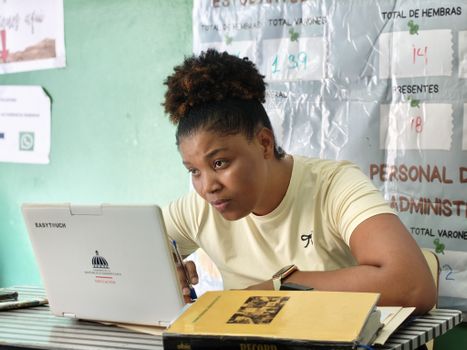
Young woman in a classroom, leaning on a stack of books, deep in thought. Photo: BOOM ๐Ÿ’ฅ Photography / Pexels
At its heart, personalized learning is a pedagogical approach that fundamentally shifts the focus of education from a one-size-fits-all model to one that prioritizes the individual student. It's not merely about differentiating instruction or providing extra support; it's a comprehensive framework designed to meet each learner exactly where they are and guide them to where they need to be, based on their unique strengths, weaknesses, interests, and learning styles. The core principles revolve around student agency, mastery-based progression, tailored instruction, and flexible learning environments. Student agency is paramount, meaning learners are given a voice and choice in *what* they learn, *how* they learn it, and *how* they demonstrate their understanding. This fosters a sense of ownership over their educational journey, which is a powerful motivator. Instead of passively receiving information, students become active participants, setting goals, making decisions, and reflecting on their progress. This intrinsic motivation is key to deep and lasting learning. Mastery-based progression is another cornerstone. Unlike traditional systems where students move on after a set period, regardless of their understanding, personalized learning ensures that students demonstrate proficiency in a concept before advancing. This prevents knowledge gaps from accumulating, building a strong foundation for future learning. If a student struggles with a particular concept, they receive targeted support and additional resources until mastery is achieved. Conversely, students who grasp concepts quickly can accelerate their learning or delve deeper into topics that pique their interest, preventing boredom and maintaining engagement. This approach acknowledges that not all students learn at the same pace or in the same way, and it provides the flexibility needed to accommodate this natural variation. Tailored instruction is central to providing appropriate challenges and support. This involves using diverse teaching methods, resources, and technologies to cater to different learning styles โ€“ whether visual, auditory, kinesthetic, or reading/writing. It also means adapting the content and complexity of lessons to match a student's current understanding and developmental stage. Teachers, in this model, transform from information dispensers into facilitators, coaches, and mentors, guiding students through their individual learning paths. They use data to inform their decisions, identifying areas where students need more support or greater challenge. This data-driven approach ensures that interventions are timely and effective, maximizing each student's potential. Furthermore, flexible learning environments support these principles by offering varied learning spaces, group configurations, and resource access, allowing students to learn in ways that best suit them. This might include collaborative projects, individual research, small group instruction, or online modules. The aim is to create a dynamic and responsive educational ecosystem where every student can thrive. For more insights into how these principles are applied, you can explore resources on modern educational practices.

The Role of Technology and Data in Personalized Learning

Technology is not just an accessory to personalized learning; it's often the engine that makes it scalable and effective. Modern educational technology platforms, often referred to as adaptive learning systems, are designed to track student progress in real-time, identify patterns in their learning, and automatically adjust the content and pace of instruction. These platforms can present information in various formats, offer immediate feedback on assignments, and suggest supplementary resources based on a student's performance. For instance, if a student consistently struggles with a particular type of math problem, the system can provide additional practice problems, instructional videos, or alternative explanations until mastery is achieved. This intelligent adaptation ensures that students are always working within their zone of proximal development โ€“ challenged enough to learn, but not overwhelmed. Beyond adaptive content delivery, technology facilitates the collection and analysis of vast amounts of student data. This data is invaluable for both students and educators. For students, dashboards often provide a clear visual representation of their progress, highlighting areas of strength and areas needing improvement. This transparency empowers students to take a more active role in managing their learning. For teachers, data analytics tools offer deep insights into individual and class-wide performance. Teachers can quickly identify students who are excelling and might benefit from advanced challenges, as well as those who are falling behind and require targeted interventions. This data moves beyond simple test scores, encompassing engagement levels, time spent on tasks, types of errors made, and even emotional responses to learning materials, providing a holistic view of each student's learning journey. Moreover, technology enables personalized learning to extend beyond the traditional classroom walls. Online learning platforms, educational apps, and virtual reality tools can provide rich, interactive learning experiences that cater to diverse interests and learning styles. Students can access a global library of resources, collaborate with peers from different locations, and engage with simulations that bring abstract concepts to life. This flexibility is particularly beneficial for students with unique scheduling needs, those in remote areas, or those seeking specialized subjects not offered locally. The integration of artificial intelligence (AI) is further enhancing personalization, with AI tutors capable of providing one-on-one support and AI-driven content generators creating bespoke learning materials on demand. However, it's crucial to remember that technology is a tool; its effectiveness relies on thoughtful integration and human oversight. The teacher's role remains central in interpreting data, building relationships, providing emotional support, and fostering critical thinking skills that technology alone cannot fully replicate.

Benefits and Challenges of Implementing Personalized Learning

The benefits of personalized learning are profound and far-reaching, impacting students, educators, and the broader educational system. For students, one of the most significant advantages is increased engagement and motivation. When learning is relevant to their interests and tailored to their pace, students are more likely to be invested and actively participate. This leads to deeper understanding, improved retention of knowledge, and better academic outcomes. Personalized learning also fosters the development of crucial 21st-century skills such as self-direction, critical thinking, problem-solving, and collaboration, as students are often encouraged to explore topics independently and work on projects relevant to real-world issues. It empowers them to become lifelong learners, capable of adapting to new challenges and information. Furthermore, it can help bridge achievement gaps by providing targeted support to struggling learners and advanced challenges to high-achievers, ensuring all students are stretched appropriately. For educators, while the initial shift can be demanding, personalized learning ultimately transforms their role into a more impactful one. Teachers move from lecturing to facilitating, mentoring, and coaching, allowing them to build stronger relationships with individual students and address their specific needs more effectively. The data insights provided by personalized learning platforms enable them to make more informed instructional decisions and differentiate their teaching with greater precision. Schools and districts adopting personalized learning often report higher student satisfaction, reduced behavioral issues, and a more positive school culture overall, as students feel more valued and understood. This approach helps create an equitable learning environment where every student has the opportunity to succeed, regardless of their background or prior knowledge. It's a powerful model for fostering a love of learning and preparing students for a complex future. However, implementing personalized learning is not without its challenges. One of the primary hurdles is the significant upfront investment in technology, professional development for teachers, and curriculum redesign. Moving from a traditional classroom setup to a personalized model requires a substantial shift in pedagogical mindset and practice, which can be difficult for educators accustomed to conventional methods. Data privacy and security are also major concerns, as personalized learning relies heavily on collecting student data. Schools must ensure robust measures are in place to protect sensitive information and adhere to regulations like FERPA in the US. Moreover, striking the right balance between student independence and teacher guidance is crucial; too much freedom can lead to a lack of structure, while too much control defeats the purpose of personalization. Ensuring equitable access to technology and high-quality resources for all students, especially in under-resourced communities, is another critical challenge that needs careful consideration to avoid exacerbating existing disparities. While the benefits are compelling, a thoughtful and strategic approach is essential for successful implementation. Find out more about creating supportive learning environments here.

Tips for Successful Personalized Learning Implementation

Implementing personalized learning effectively requires a strategic and phased approach, focusing on both technological integration and pedagogical transformation. Here are key tips for success: * **Start Small and Iterate:** Don't try to personalize everything at once. Begin with a single subject, grade level, or a specific set of learning objectives. Gather feedback, learn from the experience, and then gradually expand. This iterative process allows for adjustments and improvements along the way, minimizing disruption and maximizing success. * **Invest in Teacher Professional Development:** Teachers are the linchpin of personalized learning. Provide extensive and ongoing professional development that focuses not just on using new technologies, but also on shifting pedagogical approaches. This includes training on data analysis, student-centered instructional strategies, facilitating self-directed learning, and fostering student agency. Empower teachers to become expert facilitators and mentors. * **Foster a Culture of Collaboration:** Encourage collaboration among teachers to share best practices, troubleshoot challenges, and co-design personalized learning experiences. Create professional learning communities where educators can support each other in this transformative journey. This shared learning environment helps build collective efficacy and ensures consistent implementation. * **Prioritize Data Literacy:** Equip both teachers and students with the skills to understand and utilize learning data effectively. Teachers need to be able to interpret diagnostic assessments, track progress, and make data-driven instructional decisions. Students should learn to monitor their own progress, set goals, and reflect on their learning journey using data insights. * **Ensure Equitable Access:** Address the digital divide by ensuring all students have equitable access to necessary technology, reliable internet connectivity, and support for using digital tools. This might involve providing devices, hotspots, or dedicated learning spaces with technology access, especially for students from disadvantaged backgrounds. * **Communicate with Stakeholders:** Transparently communicate the vision, benefits, and implementation plan of personalized learning to parents, students, and the wider community. Address concerns, gather feedback, and build a strong support system for this educational transformation. Engaged parents and informed students are crucial for a smooth transition and sustained success. * **Focus on Mastery, Not Just Coverage:** Shift the emphasis from simply covering content to ensuring students achieve mastery of key concepts. This may mean allowing students to spend more time on challenging topics and less on those they quickly grasp. The goal is deep understanding and skill development, not just moving through the curriculum. * **Balance Technology with Human Interaction:** While technology is a powerful enabler, it should complement, not replace, meaningful human interaction. Teachers still play a vital role in building relationships, providing emotional support, fostering critical thinking through dialogue, and facilitating collaborative learning experiences. The human element remains indispensable.

Comparison

FeaturePersonalized LearningTraditional LearningDifferentiated Instruction
PacingStudent-driven, mastery-basedFixed, whole-classFlexible within class
CurriculumTailored to individual needs/interestsStandardized, one-size-fits-allAdjusted for groups/individuals
Student RoleActive agent, self-directedPassive recipient, teacher-ledResponsive, some choice
Teacher RoleFacilitator, coach, mentorLecturer, content delivererInstructor, group manager
Technology UseIntegral for adaptive content & dataSupplemental, often limitedVaries, often for support
AssessmentOngoing, formative, mastery-focusedSummative, standardized testsMix of formative/summative
FocusIndividual growth & skill masteryContent coverage & complianceAddressing varied needs in class

What Readers Say

โ˜… โ˜… โ˜… โ˜… โ˜…

"My son used to dread school, but with personalized learning, he's thriving! He loves that he can explore topics he's passionate about and work at his own pace. It's truly transformed his attitude towards education."

Sarah J. ยท Austin, TX
โ˜… โ˜… โ˜… โ˜… โ˜…

"As a teacher, personalized learning has revitalized my classroom. I can finally meet each student where they are, providing targeted support and challenges. The data insights are incredibly helpful for planning."

Mark T. ยท Boston, MA
โ˜… โ˜… โ˜… โ˜… โ˜…

"My daughter's grades improved by a full letter grade in math after switching to a personalized learning program. She finally understood concepts she'd struggled with for years, building confidence she never had before."

Emily R. ยท San Francisco, CA
โ˜… โ˜… โ˜… โ˜… โ˜…

"While the initial setup for personalized learning was a bit challenging for our school, the long-term benefits are undeniable. It requires significant teacher training, but the student engagement and outcomes make it worthwhile."

David L. ยท Chicago, IL
โ˜… โ˜… โ˜… โ˜… โ˜…

"For my gifted child, personalized learning has been a godsend. She's able to accelerate in subjects she excels in and dive deep into her interests, preventing boredom and keeping her intellectually stimulated."

Jessica M. ยท Denver, CO

Frequently Asked Questions

What is the main difference between personalized learning and individualized learning?

While often used interchangeably, personalized learning typically encompasses a broader approach, tailoring instruction based on student interests, strengths, and learning styles, often with student agency. Individualized learning usually focuses more narrowly on adjusting the pace of instruction to meet a student's level, often through pre-set pathways, but might not incorporate as much student choice or interest-driven content.

Is personalized learning only for advanced students?

Absolutely not. Personalized learning is designed to benefit all students, regardless of their academic level. It provides targeted support for struggling learners, allowing them to master foundational concepts, and offers advanced challenges and enrichment opportunities for high-achievers, ensuring every student is appropriately challenged and engaged.

How do teachers manage so many different learning paths in personalized learning?

Teachers leverage technology, data analytics, and flexible classroom structures. Adaptive learning platforms automate content delivery and progress tracking. Teachers then act as facilitators, providing small group instruction, one-on-one coaching, and fostering collaborative projects, using data to inform their interventions and support.

Is personalized learning more expensive than traditional education?

The initial investment can be higher due to technology infrastructure, software licenses, and extensive professional development for teachers. However, proponents argue that the long-term benefits, such as improved student outcomes, reduced remediation needs, and increased student retention, can offset these costs and provide a greater return on investment in human capital.

How does personalized learning compare to homeschooling?

Personalized learning shares some philosophical similarities with homeschooling in its focus on individual needs and flexible pacing. However, personalized learning typically occurs within a structured school environment, often leveraging advanced educational technology and certified teachers, while homeschooling is parent-led and managed outside the formal school system.

Who benefits most from a personalized learning environment?

Students who are highly self-motivated, those with diverse learning styles, and students who have struggled in traditional settings often benefit immensely. It also provides an excellent environment for gifted students who need to move at a faster pace or delve into specialized topics, and for students requiring additional support to master concepts.

What are the privacy risks associated with personalized learning data?

Since personalized learning relies on collecting student data, privacy risks include unauthorized access, data breaches, and misuse of information. Schools must implement robust security measures, adhere to strict data privacy regulations (like FERPA), and ensure transparent policies regarding data collection, storage, and usage to protect student information.

What does the future hold for personalized learning in the US?

The future of personalized learning in the US is bright, with increasing adoption driven by technological advancements and a growing recognition of its benefits. Expect to see more sophisticated AI-driven adaptive platforms, greater integration of virtual and augmented reality, and continued emphasis on developing critical thinking and socio-emotional skills, moving towards truly bespoke educational experiences for every learner.

Ready to transform your understanding of education? Explore how personalized learning can create a more engaging, effective, and equitable path to success for every student. Dive deeper into the possibilities and join the movement towards a truly tailored educational experience.

Topics: personalized learningindividualized educationstudent-centered learningadaptive learningfuture of education
Leo List
Brampton weed
Adultwork