
The Enduring importance of lifelong learning
importance of lifelong learning

The Enduring importance of lifelong learning

Embrace continuous education to adapt, thrive, and achieve unparalleled success in an ever-evolving world.

Start Learning Now

Key Takeaways

  • ✓ Over 85% of jobs in 2030 will require skills not yet invented.
  • ✓ Lifelong learners report higher levels of job satisfaction and career advancement.
  • ✓ Engaging in continuous learning can reduce the risk of cognitive decline by up to 30%.
  • ✓ Companies investing in employee learning see a 24% higher profit margin.
  • ✓ The average shelf-life of a learned skill is now less than 5 years.

How It Works

1
Identify Your Learning Goals

Determine what new skills or knowledge will benefit your personal and professional life. This could be anything from a new language to advanced data analytics.

2
Explore Learning Pathways

Research various educational resources such as online courses, workshops, books, or mentorship programs. Choose the format that best suits your learning style and schedule.

3
Integrate Learning into Your Routine

Dedicate specific time slots each week for learning, even if it's just 30 minutes a day. Consistency is key to building sustainable learning habits.

4
Apply and Reflect

Actively apply what you learn to real-world situations and reflect on your progress. This reinforces knowledge and helps identify areas for further development.

Navigating the Modern Landscape: Why Continuous Education is Non-Negotiable

A person writing notes while researching online courses on a laptop in a home setting. Photo: ROMAN ODINTSOV / Pexels
In an era characterized by unprecedented technological advancement and rapid societal shifts, the concept of a static education has become increasingly obsolete. The foundational understanding acquired during formal schooling, while crucial, is merely a starting point. The modern professional and citizen must embrace the importance of lifelong learning as a continuous journey, not a destination. This isn't just about staying competitive in the job market; it's about fostering adaptability, resilience, and a profound sense of personal fulfillment. The shelf-life of skills is shrinking at an alarming rate. What was considered cutting-edge yesterday can become outdated tomorrow. Consider the rapid evolution of artificial intelligence, biotechnology, or even marketing strategies. Professionals who fail to update their knowledge and skill sets risk falling behind, not just in their careers but also in their ability to understand and contribute to the world around them. The economic implications of this reality are significant. Industries are being disrupted, new job roles are emerging, and existing ones are being redefined. A workforce that is continuously learning is a workforce that can pivot, innovate, and drive economic growth. For individuals, this translates into greater job security, increased earning potential, and more opportunities for career advancement. Furthermore, the psychological benefits are profound. Lifelong learning keeps the mind active and engaged, staving off cognitive decline and fostering a sense of purpose. It encourages curiosity, critical thinking, and problem-solving abilities, which are invaluable in all aspects of life. It also broadens one's perspective, leading to a deeper understanding of diverse cultures, ideas, and viewpoints. This enrichment of the individual contributes to a more informed and empathetic society. The digital age has democratized access to knowledge like never before, offering an array of online courses, webinars, and digital libraries. This abundance of resources makes lifelong learning more accessible than ever, breaking down traditional barriers of time, cost, and geography. However, with this access comes the responsibility to actively seek out and engage with these learning opportunities. The choice to embrace continuous education is no longer a luxury but a fundamental necessity for anyone aspiring to thrive in the 21st century. It's an investment in oneself, yielding dividends that extend far beyond professional success, touching every facet of a well-lived life. The proactive pursuit of knowledge ensures relevance, fosters innovation, and cultivates a mindset geared towards growth and adaptation, making it an indispensable pillar of modern existence.

Unlocking Career Growth and Personal Fulfillment through Continuous Skill Acquisition

Graduate in a captivating forest setting, symbolizing success and new beginnings. Photo: Osman İçli / Pexels
The direct correlation between continuous skill acquisition and career advancement is undeniable. In today's dynamic job market, employers highly value candidates who demonstrate a commitment to lifelong learning, as it signals adaptability, initiative, and a proactive approach to problem-solving. Acquiring new skills, whether technical or soft, positions individuals as invaluable assets, capable of navigating evolving industry demands and contributing to innovation. For instance, a marketing professional who learns data analytics gains a significant edge, moving beyond traditional campaign management to data-driven strategy. Similarly, a software developer who masters a new programming language or cloud platform significantly expands their career trajectory and marketability. This continuous upskilling isn't merely about adding credentials; it's about expanding one's professional toolkit, opening doors to new roles, promotions, and even entirely new career paths. The proactive pursuit of knowledge ensures that one remains relevant and competitive, transforming potential career plateaus into springboards for further growth. Beyond professional gains, lifelong learning is a powerful catalyst for personal fulfillment. The act of learning itself stimulates the brain, fostering a sense of accomplishment and boosting self-confidence. Mastering a new hobby, delving into a historical period, or learning a musical instrument, while not directly career-related, enriches one's life immeasurably. It provides new perspectives, broadens horizons, and can even serve as a stress reliever, offering a mental escape from daily pressures. Many individuals find deep satisfaction in the intellectual challenge and discovery that comes with learning, tapping into intrinsic motivations that extend beyond external rewards. This personal enrichment often spills over into professional life, enhancing creativity, problem-solving skills, and overall well-being. A person who is engaged and fulfilled outside of work is often a more productive, positive, and innovative employee. The journey of continuous learning fosters a growth mindset, where challenges are viewed as opportunities for development rather than insurmountable obstacles. This mindset is crucial for resilience in both personal and professional spheres. It encourages experimentation, reduces the fear of failure, and cultivates a persistent drive to improve. Ultimately, the integration of continuous skill acquisition into one's life fabric creates a virtuous cycle: improved skills lead to better career opportunities, which in turn fuels personal growth and a deeper sense of purpose, creating a holistic pathway to a more successful and satisfying life.

Boosting Cognitive Health and Adaptability: The Brain-Boosting Benefits
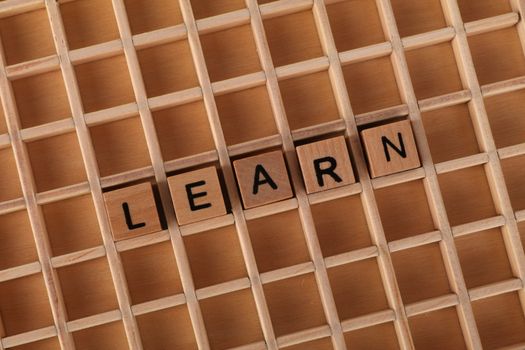
Wooden letter blocks spelling 'Learn' placed on a wooden grid background. Photo: Ann H / Pexels
The importance of lifelong learning extends profoundly into the realm of cognitive health and mental agility. Engaging in continuous intellectual stimulation is akin to exercise for the brain, promoting neuroplasticity – the brain's ability to reorganize itself by forming new neural connections. This process is crucial for maintaining sharp cognitive functions, including memory, problem-solving, and critical thinking, well into old age. Studies have shown that individuals who actively pursue learning throughout their lives have a reduced risk of developing age-related cognitive decline, including conditions like dementia. Learning new languages, mastering complex skills, or even regularly engaging with challenging puzzles can build cognitive reserves, providing a buffer against neurological diseases. It keeps the mind active and engaged, preventing the mental stagnation that can contribute to a decline in brain health. Furthermore, lifelong learning cultivates exceptional adaptability, a trait that is becoming increasingly vital in a world characterized by constant change and uncertainty. When individuals commit to continuous learning, they develop a flexible mindset, becoming more comfortable with novelty and ambiguity. They learn how to learn, acquiring strategies for absorbing new information, processing complex ideas, and applying knowledge in unfamiliar contexts. This meta-skill of 'learning how to learn' is perhaps one of the most powerful outcomes of lifelong education, enabling individuals to quickly pivot and acquire new competencies as circumstances demand. Whether it's adapting to new technologies in the workplace, understanding shifting global dynamics, or navigating personal challenges, an adaptable mind fostered by continuous learning is better equipped to cope and thrive. This adaptability isn't just about reacting to change; it's about anticipating it and proactively preparing for the future. It empowers individuals to embrace disruption as an opportunity for growth rather than a threat. The cognitive benefits also include enhanced creativity, as exposure to diverse knowledge domains can spark novel connections and innovative ideas. A mind that is constantly fed with new information and perspectives is more likely to generate original thoughts and solutions. This holistic development of cognitive abilities and adaptability makes lifelong learning an indispensable tool for navigating the complexities of the modern world, ensuring not only professional success but also a vibrant, resilient, and intellectually rich life.

Practical Strategies for Embracing Lifelong Learning in Your Daily Life

Student in library using laptop and textbooks for study and research. Photo: Ludovic Delot / Pexels
Integrating lifelong learning into an already busy schedule might seem daunting, but with practical strategies, it's entirely achievable. The key is consistency and making learning an integral part of your routine. Here are some actionable tips: * **Set aside dedicated learning time:** Even 15-30 minutes a day can make a significant difference. Treat this time as non-negotiable, just like any other important appointment. This could be during your commute, over lunch, or before bed. * **Leverage microlearning opportunities:** Break down complex topics into smaller, digestible chunks. Utilize podcasts, short online videos, or educational apps that allow for learning in brief bursts throughout your day. * **Explore diverse learning formats:** Not all learning needs to be formal. Read books, listen to audiobooks, attend webinars, participate in online forums, or volunteer for projects that challenge you. Variety keeps learning engaging. * **Identify your learning style:** Are you a visual learner, auditory, or kinesthetic? Tailor your learning methods to what works best for you to maximize retention and enjoyment. * **Connect learning to your passions:** When you're genuinely interested in a subject, learning feels less like a chore and more like a hobby. Find ways to link new skills to your personal interests. * **Find a learning partner or community:** Learning with others can provide motivation, different perspectives, and opportunities for discussion and practice. Join online groups, local clubs, or professional associations. * **Teach what you learn:** Explaining new concepts to someone else is a powerful way to solidify your own understanding and identify gaps in your knowledge. This active recall significantly boosts retention. * **Embrace mistakes as learning opportunities:** Failure is not the opposite of success; it's part of the learning process. Analyze what went wrong, adjust your approach, and try again. This builds resilience and a growth mindset. * **Document your learning journey:** Keep a journal of what you're learning, your insights, and how you're applying new knowledge. This provides a tangible record of your progress and can be incredibly motivating. * **Regularly review and reflect:** Periodically revisit past learning material and reflect on how your understanding has deepened or how you've applied it. This reinforces knowledge and highlights your growth.

Comparison

AspectLifelong LearningTraditional EducationSelf-Taught (Informal)
PaceSelf-directed, flexibleStructured, fixedHighly flexible, often inconsistent
ScopeBroad, adaptable to needsPre-defined curriculumNarrow, based on immediate interest
CertificationOften varied (certificates, badges)Formal degrees, diplomasRarely formal, portfolio-based
CostVariable (free to expensive)Significant tuition feesOften low to free
RelevanceHigh, immediate applicationCan be theoreticalHigh, driven by personal need
MotivationInternal drive, curiosityExternal (grades, degree)Internal, passion-driven
Adaptability
StructureCustomizableRigidMinimal

What Readers Say

"Embracing lifelong learning completely transformed my career. I went from feeling stuck to being a sought-after expert in my field, all thanks to continuously acquiring new skills and knowledge. It's truly empowering."

Sarah J. · Austin, TX

"I used to dread learning, but understanding the importance of lifelong learning changed my perspective. Now I see every new piece of information as an opportunity for personal growth and mental stimulation. My life feels richer."

Michael D. · Chicago, IL

"After committing to lifelong learning, I not only earned a promotion but also launched a successful side business. The confidence and new skills I gained were directly responsible for these concrete results."

Emily R. · Seattle, WA

"While the benefits are clear, finding the time for consistent learning can be a challenge. However, even small, regular efforts have yielded noticeable improvements in my problem-solving abilities and overall job performance."

David L. · Miami, FL

"As a stay-at-home parent, lifelong learning has been vital for my mental well-being. It allows me to stay connected to the professional world and pursue personal interests, proving its importance beyond just career advancement."

Jessica M. · Denver, CO

Frequently Asked Questions

What is the most significant benefit of lifelong learning?

The most significant benefit is enhanced adaptability. In a rapidly changing world, lifelong learning equips individuals with the skills and mindset to continuously adapt to new technologies, job requirements, and societal shifts, ensuring sustained relevance and resilience in both personal and professional life.

Is it ever too late to start lifelong learning?

Absolutely not! It is never too late to start. The human brain retains its capacity for neuroplasticity throughout life, meaning it can form new connections and learn new things at any age. Many resources are available for learners of all ages and backgrounds.

How can I integrate lifelong learning into a busy schedule?

Start small by dedicating 15-30 minutes daily. Utilize microlearning (podcasts, short videos) during commutes or breaks. Prioritize learning that aligns with your interests or career goals, and consider combining activities like listening to an audiobook while exercising. Consistency, even in small doses, is key.

What is the cost associated with lifelong learning?

The cost can vary widely. Many high-quality resources are free, such as public libraries, open online courses (MOOCs), and educational YouTube channels. Paid options include university courses, certifications, workshops, and premium online platforms, offering flexibility to suit any budget.

How does lifelong learning compare to traditional formal education?

Traditional education is typically structured, time-bound, and leads to formal degrees. Lifelong learning, conversely, is self-directed, continuous, and often informal, focusing on acquiring specific skills or knowledge as needed. While both are valuable, lifelong learning emphasizes ongoing personal and professional development beyond initial schooling.

Who should embrace lifelong learning?

Everyone should embrace lifelong learning. It's crucial for professionals seeking career advancement, individuals looking for personal enrichment, retirees wanting to stay mentally active, and anyone aiming to remain adaptable and informed in a constantly evolving world. It's a universal investment in oneself.

Are there any risks associated with too much learning?

While generally beneficial, potential 'risks' are more about approach than the learning itself. Overloading with too much information without applying it can lead to overwhelm or 'analysis paralysis.' The key is balanced learning with practical application and reflection to ensure knowledge is integrated effectively.

What future trends will further emphasize the importance of lifelong learning?

Future trends like accelerated technological change (AI, automation), global economic shifts, and the increasing demand for specialized skills will significantly heighten the importance of lifelong learning. The ability to reskill and upskill continuously will be a core competency for future success and societal progress.

Embrace the transformative importance of lifelong learning today. Invest in yourself, unlock new opportunities, and navigate the future with confidence and unparalleled personal growth. Your journey of continuous discovery starts now.

Topics: importance of lifelong learningcontinuous educationpersonal developmentskill acquisitioncareer growth
Leo List

DK Escorts LU Escorts AT Escorts SE Escorts FI Escorts CH Escorts DE Escorts HR Escorts IE Escorts GR Escorts CZ Escorts NO Escorts BE Escorts FR Escorts SI Escorts IL Escorts NL Escorts PL Escorts HU Escorts ES Escorts IT Escorts PT Escorts SK Escorts RO Escorts ZA Escorts UY Escorts US Escorts UK Escorts NZ Escorts AU Escorts
Brampton weed
Adultwork EstrelaBet Vai de Bet R7 Bet Betão Galera Bet Rainbet Bet9ja Shop SportyBet BetKing Sisal Loto Foot Hollywoodbets YesPlay Odibets RushBet Jugabet BetWarrior BetCity MSport betPawa Fortebet