Unlock Your Potential with Free Online Courses with Certificates

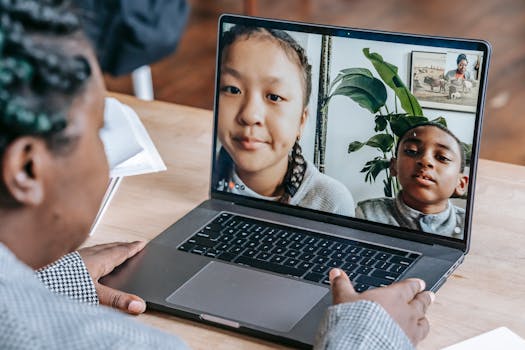
From above of crop attentive ethnic schoolchild writing in workbook with pencil while studying at table with netbookPhoto: Katerina Holmes / Pexels

Unlock Your Potential with Free Online Courses with Certificates

Transform your skills and career prospects without spending a dime. Get certified and stand out in today's competitive job market.

Start Learning Today

Key Takeaways

  • ✓ Over 100,000 free online courses are available globally from reputable institutions.
  • ✓ Certificates can enhance resumes by up to 25% for entry-level positions.
  • ✓ Many top universities, including Harvard and Yale, offer free courses with optional paid certificates.
  • ✓ Popular categories include IT, business, data science, and personal development.
  • ✓ The market for online learning is projected to reach $370 billion by 2026.

How It Works

1
Identify Your Learning Goals

Before diving in, determine what skills you want to acquire or what career path you wish to pursue. This clarity will guide your course selection.

2
Explore Reputable Platforms

Visit well-known online learning platforms like Coursera, edX, or Google Grow. Filter for 'free' courses and check for certificate options.

3
Enroll and Complete the Coursework

Sign up for your chosen course and diligently work through the lectures, assignments, and quizzes. Consistency is key to success.

4
Obtain Your Certificate

Upon successful completion, follow the platform's instructions to claim your certificate. Some platforms offer free certificates, while others may require a small fee for verified credentials.

The Unbeatable Value of Free Certification Programs

In an increasingly competitive job market, continuous learning is not just an advantage—it's a necessity. Many individuals are eager to upskill or reskill but are often deterred by the high costs associated with traditional education or premium online courses. This is where free online courses with certificates emerge as a game-changer. They democratize access to knowledge, allowing anyone, regardless of their financial situation or geographical location, to gain valuable skills and receive formal recognition for their efforts. The value proposition is immense: you invest your time and effort, and in return, you receive a credential that can enhance your resume, open new career doors, or simply satisfy your intellectual curiosity. But what exactly constitutes a 'free' certificate? It's important to clarify that while the course content itself is often free to access and audit, the certificate itself might sometimes come with a nominal fee. However, numerous platforms and initiatives exist that genuinely offer both the course material and the certificate entirely free of charge. These can range from introductory courses in programming to advanced topics in data science, marketing, or even creative arts. The key is knowing where to look and understanding how to leverage these resources effectively. For instance, platforms like Google, HubSpot, and LinkedIn Learning frequently offer completely free certification pathways in high-demand fields, directly addressing skill gaps in the workforce. These programs are often designed by industry experts, ensuring that the knowledge gained is practical, relevant, and immediately applicable. The credibility of these certificates can vary, but those from well-known institutions or industry leaders are highly regarded by employers. The flexibility of online learning further amplifies their appeal, allowing learners to balance their studies with existing work or personal commitments, making education accessible to a wider demographic. This paradigm shift in education is empowering millions to take control of their learning journey and achieve their professional aspirations without financial burden.

Navigating Top Platforms for Online Learning with Certificates

The digital landscape is brimming with platforms offering a plethora of free online courses, many of which include certificates upon completion. Knowing which platforms to trust and how to effectively utilize them is crucial for maximizing your learning experience. Coursera, for example, partners with over 200 leading universities and companies worldwide, offering a vast array of courses. While many of their specialization certificates require payment, they frequently offer a 'financial aid' option, allowing eligible learners to apply for free access and a certificate. Similarly, edX, founded by Harvard and MIT, hosts courses from top global institutions. Like Coursera, many courses are free to audit, with verified certificates available for a fee, though scholarships and financial aid opportunities are often available. Beyond these academic powerhouses, several industry-specific platforms provide completely free certifications. Google Digital Garage offers a range of digital marketing and career development courses with free certificates. HubSpot Academy provides free certification courses in inbound marketing, content marketing, and sales, recognized widely in the marketing and sales sectors. Microsoft Learn offers free training paths and certifications for its technologies, catering to IT professionals and developers. LinkedIn Learning also provides numerous free courses, sometimes with certificates, especially if you have a premium subscription or during promotional periods. Even independent universities and organizations like Class Central aggregate thousands of free courses, making it easier to discover options with free certificates. The key to success on these platforms lies in active engagement, consistent effort, and a clear understanding of the course objectives. Many platforms also offer discussion forums and peer interaction, enriching the learning process. By strategically choosing platforms and courses aligned with your goals, you can build an impressive portfolio of certified skills without incurring significant costs.

Maximizing the Impact of Your Free Online Certifications

Obtaining a certificate from a free online course is a fantastic achievement, but its true value lies in how you leverage it. Simply adding it to your resume isn't enough; you need to integrate it strategically into your professional narrative. Firstly, update your LinkedIn profile. List the course and certificate under your education or licenses and certifications section. More importantly, articulate the specific skills you gained and how they relate to your career aspirations. Use the keywords from the course title and description to improve your profile's searchability. Secondly, don't just list the certificate; explain its relevance in job applications and interviews. For example, if you completed a 'Google Analytics Certification,' describe how you can now interpret website data to make informed marketing decisions, rather than just stating you have the certificate. Networking is another powerful tool. Connect with fellow learners from your courses or professionals in the field you're studying. Share your accomplishments and insights, and be open to collaboration. Your certificate can serve as a conversation starter and a testament to your proactive learning approach. Furthermore, consider building a portfolio to showcase your newly acquired skills. If you completed a course in web development, create a small project to demonstrate your coding abilities. For a graphic design course, design a few mock-ups. Practical application of your knowledge elevates the perceived value of your certificate significantly. Remember that continuous learning is a journey, not a destination. Use these free courses as stepping stones to more advanced topics or to explore new interests. The goal is to build a robust skill set that makes you indispensable in your chosen field. Ongoing education, even through free avenues, signals to employers that you are dedicated, adaptable, and committed to professional growth.

Common Mistakes to Avoid and Expert Tips for Success

While the allure of free online courses with certificates is strong, not everyone capitalizes on their potential. Avoiding common pitfalls can significantly boost your chances of success and ensure your efforts yield tangible results. **Common Mistakes:** * **Over-enrollment:** Signing up for too many courses simultaneously can lead to burnout and incomplete programs. Focus on one or two at a time to ensure quality engagement. * **Lack of discipline:** Free courses don't have the same financial commitment as paid ones, sometimes leading to a lack of motivation. Treat them with the same seriousness as any other educational endeavor. * **Ignoring prerequisites:** Jumping into advanced courses without foundational knowledge can be frustrating and counterproductive. Always check prerequisites. * **Not applying knowledge:** Simply watching lectures isn't enough. Actively participate in exercises, projects, and discussions to solidify your learning. * **Undermining certificate value:** Don't assume a free certificate is worthless. Its value comes from the skills you acquire and how you present them. **Expert Tips for Success:** * **Set clear goals:** Define what you want to achieve with each course before you start. * **Schedule dedicated study time:** Treat your online learning like a real appointment. * **Engage with the community:** Participate in forums, ask questions, and help others. This deepens understanding and builds connections. * **Take detailed notes:** This aids retention and provides a quick reference. * **Build a project:** Apply your learning to a real-world project, even a small one, to demonstrate proficiency. * **Network:** Connect with instructors and peers. These relationships can be invaluable for career opportunities. * **Review and reinforce:** Periodically revisit key concepts to ensure long-term retention. By being mindful of these points, you can transform your free online learning experience into a powerful engine for personal and professional growth.

Comparison

FeatureCoursera (Financial Aid)Google Digital GarageHubSpot AcademyedX (Audit Track)
Certificate CostFree (with aid)FreeFreePaid (optional)
Course Content CostFreeFreeFreeFree
Course VarietyHighMediumMediumHigh
Industry RecognitionHighHighHighHigh
FlexibilityHighHighHighHigh
Interactive Elements

What Our Readers Say

5 ★★★★★

"I completed a free Python course on Coursera with financial aid, and it completely changed my career path. The certificate helped me land an entry-level data analyst position. I never thought I could learn so much without paying a dime!"

5 ★★★★★

"The Google Digital Marketing certificate was incredibly practical. I applied the strategies immediately to my small business, and I've seen a noticeable increase in traffic. Highly recommend for any entrepreneur."

5 ★★★★★

"Thanks to a free online course with a certificate in web design, I was able to build a portfolio that secured me a freelance gig. The quality of instruction was on par with paid courses I've taken. An absolute game-changer!"

4 ★★★★☆

"While most of the HubSpot Academy courses are fantastic and genuinely free, some of the more advanced certifications do require existing knowledge. Still, the free certifications I earned were invaluable for my marketing career."

5 ★★★★★

"As a stay-at-home parent, finding affordable ways to learn new skills was crucial. The free online courses with certificates I found allowed me to re-enter the workforce with updated skills and renewed confidence. It's truly empowering."

Frequently Asked Questions

Are free online courses with certificates truly recognized by employers?
Yes, many free online courses, especially those from reputable platforms like Google, HubSpot, or top universities (via financial aid), are well-regarded by employers. Their recognition largely depends on the institution offering the course, the relevance of the skills taught, and how effectively you articulate your learning and apply it in real-world scenarios. It's not just about the certificate, but the knowledge it represents.
What's the catch with 'free' certificates?
Often, the 'catch' is that while the course content is free to audit, the actual verified certificate requires a small payment. However, many platforms offer financial aid or completely free certifications as part of promotional efforts or specific initiatives (e.g., Google Digital Garage). Always check the specific terms of each course before enrolling to understand any potential costs associated with the certificate.
How do I find free online courses that offer certificates?
Start by visiting major online learning platforms like Coursera, edX, Google Digital Garage, HubSpot Academy, and Microsoft Learn. Use their search filters to specifically look for 'free' courses and then check the course details for information on certificate availability. Websites like Class Central also aggregate free courses from various providers, making discovery easier. Look for options that explicitly state 'free certificate upon completion' or offer financial aid.
Are these free certifications as valuable as a traditional degree?
Free online certifications are generally not a direct substitute for a traditional degree, which offers a broader, more comprehensive education. However, they are incredibly valuable for acquiring specific, in-demand skills, upskilling, or reskilling. They demonstrate initiative, a commitment to continuous learning, and can significantly enhance a resume, especially for targeted roles or career transitions. They complement, rather than replace, formal education.
How do free online courses compare to paid ones?
The quality of free online courses can be surprisingly high, often developed by experts or institutions that also offer paid content. The main differences usually lie in access to instructors, personalized feedback, and the level of support. Paid courses might offer more intensive mentorship or project reviews. However, for foundational knowledge and certificate acquisition, many free options provide excellent value, especially if you are self-motivated and proactive in your learning.
Who should consider taking free online courses with certificates?
Anyone looking to enhance their skills, explore new career paths, or simply learn for personal enrichment should consider these courses. They are ideal for students, job seekers, professionals looking to upskill, those considering a career change, or individuals who want to explore a subject without significant financial commitment. The flexibility makes them suitable for almost any schedule.
Are there any risks associated with taking these courses?
The primary 'risk' is the investment of your time if the course isn't well-suited for your goals or if the certificate isn't recognized as widely as you hoped. To mitigate this, always research the course provider, read reviews, and understand the specific skills you will gain. Avoid courses from unknown or unverified sources that promise unrealistic outcomes. Stick to reputable platforms for the best experience.
What is the future outlook for free online certifications?
The trend towards accessible, skills-based learning is accelerating. As the job market evolves rapidly, free online certifications will become even more crucial for continuous professional development. Expect more partnerships between educational institutions and industry, leading to a greater number of high-quality, free, and recognized certification pathways. Micro-credentials and stackable certifications are also becoming more prevalent, offering flexible pathways to expertise.

Don't let financial barriers hold you back from achieving your professional dreams. Explore the vast world of free online courses with certificates today and take the first step towards a brighter, more skilled future. Your next opportunity is just a click away.

Topics: free online courses with certificatesonline learning platformsfree certification programsupskilling onlinecareer development courses
Leo List
Brampton weed
Adultwork