Smart Choices: Where to buy educational toys for toddlers
buy educational toys for toddlers

Smart Choices: Where to buy educational toys for toddlers

Unlock your toddler's potential with carefully selected educational toys that stimulate growth and joyful discovery.

Shop Smart, Play Smart

Key Takeaways

  • ✓ Educational toys enhance cognitive, motor, social, and emotional skills.
  • ✓ Age-appropriateness is crucial for safety and developmental benefit.
  • ✓ Open-ended toys encourage creativity and problem-solving.
  • ✓ Quality and durability are key for long-lasting play and learning.

How It Works

1
Identify Developmental Stages

Understand your toddler's current age and developmental milestones. This helps in selecting toys that challenge without overwhelming, ensuring engagement and learning.

2
Research Toy Categories

Explore various types of educational toys, such as fine motor skill toys, language development toys, or creative play sets. Each category targets specific areas of growth.

3
Evaluate Quality and Safety

Prioritize toys made from non-toxic materials with sturdy construction. Check for certifications like ASTM F963 to ensure they meet safety standards for young children.

4
Consider Retailers and Brands

Look for reputable stores, both online and brick-and-mortar, known for their selection of high-quality educational toys. Read reviews and compare options before making a purchase.

Understanding the Power of Play: Why Educational Toys Matter

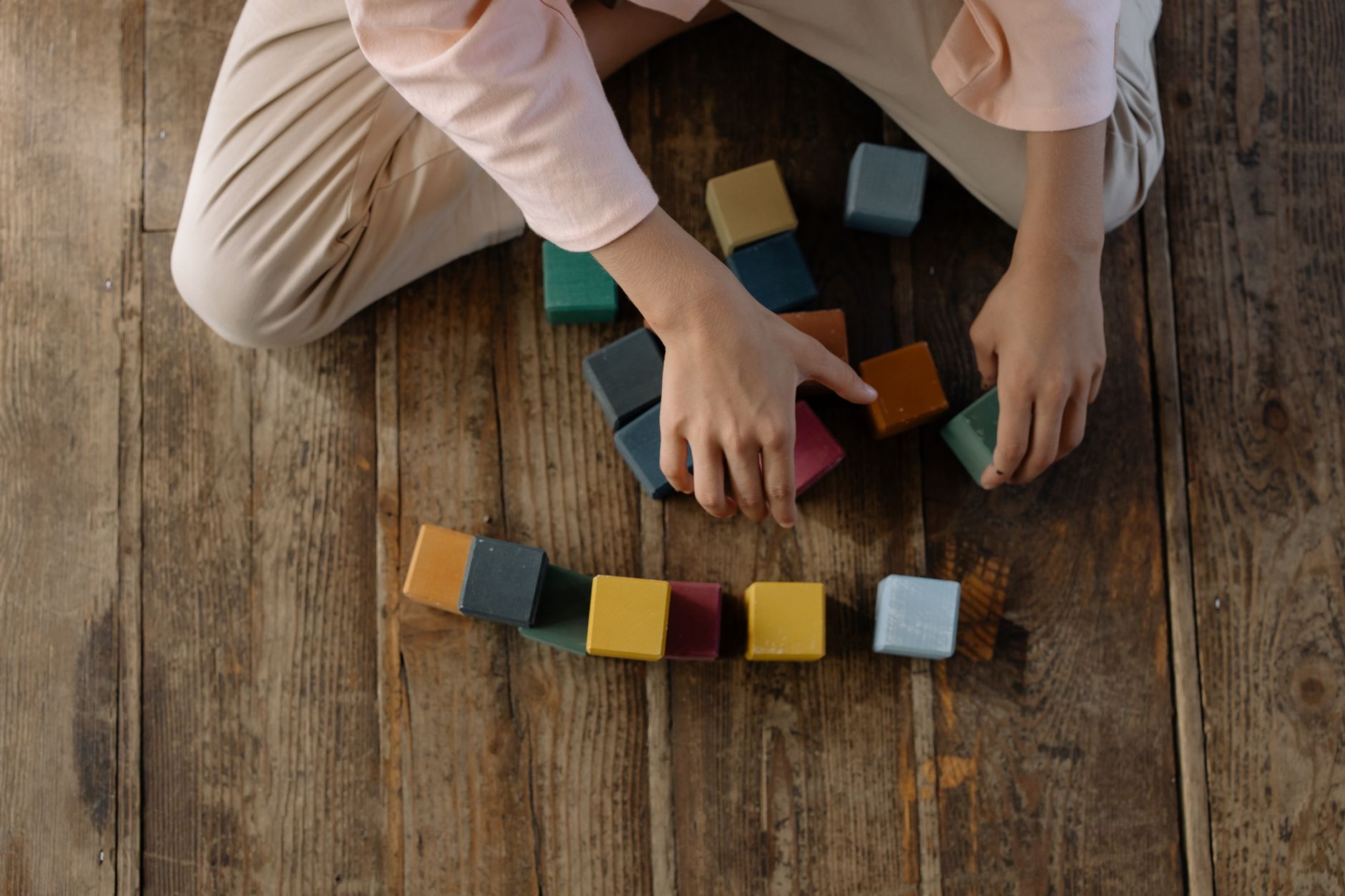
Toddler engaging with vibrant toy blocks on a patterned rug in a playful setting. Photo: Lisa from Pexels / Pexels
In the vibrant and rapidly evolving world of toddlers, every interaction, every sensory experience, and every moment of play serves as a building block for future development. It's not just about keeping them entertained; it's about nurturing their innate curiosity and setting the stage for lifelong learning. This is precisely where the profound significance of educational toys comes into sharp focus. When we decide to buy educational toys for toddlers, we're not merely purchasing plastic or wood; we're investing in their cognitive, physical, social, and emotional growth. These aren't just 'toys' in the traditional sense; they are carefully designed tools that facilitate exploration, problem-solving, and skill acquisition in an engaging, age-appropriate manner. Consider the multifaceted benefits. On a cognitive level, educational toys introduce concepts like cause and effect, shape recognition, color differentiation, and early numeracy. A simple stacking ring set, for instance, teaches order, size comparison, and spatial reasoning. Puzzles, even basic knob puzzles, enhance problem-solving skills and hand-eye coordination. Language development is also significantly boosted. Interactive books, alphabet blocks, and storytelling puppets encourage vocabulary expansion, narrative understanding, and communication skills. These early exposures lay crucial groundwork for literacy. Physically, fine motor skills are refined through manipulating small objects, buttoning, lacing, and drawing. Gross motor skills are developed with ride-on toys, push-pull toys, and climbing structures, all of which contribute to balance, coordination, and strength. Beyond these tangible skills, educational toys play a pivotal role in fostering social and emotional intelligence. Pretend play, often facilitated by dollhouses, kitchen sets, or animal figures, allows toddlers to mimic real-world scenarios, understand roles, and express emotions. Sharing toys, taking turns, and cooperative play, even if rudimentary at this age, are foundational social lessons. Furthermore, the satisfaction of successfully completing a task with an educational toy, whether it's fitting the last puzzle piece or building a wobbly tower, instills a sense of accomplishment and boosts self-esteem. This intrinsic motivation to learn and explore is a priceless gift that educational toys provide. When parents actively engage with their toddlers during play, asking questions and guiding their exploration, the learning potential of these toys is amplified even further. It transforms playtime into a shared journey of discovery and connection, reinforcing the value of learning through fun. Understanding these deep-seated benefits is the first step in making informed decisions when you seek to choose the right educational materials for your child.

Navigating the Market: Where to Find Quality Toddler Learning Toys

The market for children's toys is vast and sometimes overwhelming, making the quest to buy educational toys for toddlers feel like a daunting task. However, with a strategic approach, parents can effectively navigate this landscape to find high-quality, impactful learning tools. The key lies in knowing reputable sources and understanding what distinguishes a truly educational toy from mere entertainment. Generally, there are several reliable avenues, each offering unique advantages. Specialty Toy Stores: These are often goldmines for educational toys. Independent toy stores or smaller chains typically curate their selections with a focus on developmental benefits, quality craftsmanship, and often, sustainable materials. Staff members in these stores are usually well-versed in child development and can offer personalized recommendations based on your toddler's age, interests, and specific developmental goals. Brands like Melissa & Doug, Hape, and PlanToys are frequently found here, known for their durable, open-ended wooden toys and puzzles. The experience of shopping in person allows for tactile evaluation, which is invaluable when assessing toy quality and appeal. Online Retailers (Specialized Sections): While Amazon and Walmart offer a vast array of toys, their dedicated 'educational toys' or 'learning toys' sections can be incredibly useful. Websites like Fat Brain Toys, Lakeshore Learning, and Discount School Supply specialize exclusively in educational products, often categorizing them by age, skill, or subject area. These platforms provide extensive product descriptions, customer reviews, and sometimes even expert insights, which can guide your purchase. Look for toys that explicitly state the developmental skills they aim to enhance, such as 'fine motor,' 'cognitive,' or 'language development.' Reading reviews from other parents can also provide practical insights into a toy's durability and actual engagement factor. Museum and Science Center Gift Shops: Often overlooked, the gift shops at children's museums, science centers, and even some zoos are excellent places to discover unique and truly educational toys. These institutions are dedicated to fostering learning and exploration, and their retail selections reflect this mission. You'll often find innovative STEM toys, creative art supplies, and high-quality construction sets that aren't readily available in mainstream stores. These toys are usually chosen for their ability to spark curiosity and encourage hands-on learning, aligning perfectly with the goals of early childhood education. Online Marketplaces for Handmade/Eco-Friendly Toys: For parents interested in sustainable or artisanal options, platforms like Etsy offer a plethora of handmade wooden toys, felt activity boards, and custom-made learning materials. While these require more careful vetting regarding safety standards (always check seller reviews and material descriptions), they can provide unique, high-quality, and often eco-friendly alternatives to mass-produced items. Brands focusing on Montessori or Waldorf philosophies also often sell directly through their own websites, offering meticulously designed toys that align with specific educational approaches. Exploring these diverse channels ensures you have a wide selection to choose from, allowing you to prioritize quality, developmental impact, and your family's values when choosing the best toys for your toddler.

Key Considerations: What to Look for in Developmental Toys for 1-3 Year Olds

When you're ready to buy educational toys for toddlers, a discerning eye and a clear understanding of what constitutes a 'good' developmental toy are essential. It's not about the flashiest or most expensive option, but rather about toys that genuinely engage, challenge, and support a toddler's rapid growth. Several key factors should guide your selection process to ensure you're making the most impactful choices for your 1-3 year old. First and foremost is age-appropriateness. A toy that is too simple will quickly bore a toddler, while one that is too complex can lead to frustration. Packaging often provides age recommendations, but it's also crucial to consider your child's individual developmental stage. A 1-year-old benefits from simple cause-and-effect toys, large blocks, and board books, focusing on sensory exploration and basic motor skills. As they approach two and three, they're ready for more complex puzzles, early sorting games, imaginative play props, and art supplies that encourage creativity and fine motor development. Always check for small parts that could be choking hazards for children under three; safety should never be compromised. Durability and safety are non-negotiable. Toddlers are notorious for being rough on their toys. Look for sturdy construction, non-toxic finishes, and materials that can withstand chewing, dropping, and enthusiastic play. Wooden toys, high-quality plastics (BPA-free), and soft, washable fabrics are generally good choices. Ensure there are no sharp edges, pinch points, or loose components. Certifications like ASTM F963 (American Society for Testing and Materials) or CE (European Conformity) indicate that a toy meets specific safety standards. Open-ended play potential is another critical feature. The best educational toys are those that can be used in multiple ways, encouraging creativity and imagination rather than dictating a single mode of play. Building blocks, play-doh, art supplies, dress-up clothes, and simple figures or animals fall into this category. These toys don't have a 'right' or 'wrong' way to play, allowing toddlers to explore their own ideas, develop narrative skills, and practice problem-solving. This contrasts sharply with single-function electronic toys that often do all the 'thinking' for the child, limiting active engagement. Engagement and stimulation are also crucial. A truly educational toy captures a toddler's attention and encourages active participation. This might involve vibrant colors, interesting textures, simple sounds (but not overwhelming or repetitive ones), or opportunities for manipulation. Sensory engagement is vital at this age, so toys that appeal to touch, sight, and even hearing (think musical instruments or shakers) are highly beneficial. Remember, the goal is to stimulate their senses and minds, not just to passively entertain. By focusing on these key considerations, you can confidently select the best early childhood education toys that will genuinely support your toddler's holistic development.

Smart Shopping Strategies and Common Mistakes to Avoid

Making informed decisions when you buy educational toys for toddlers goes beyond just knowing what to look for; it also involves smart shopping strategies and a keen awareness of common pitfalls. Avoiding these mistakes can save you money, reduce clutter, and ensure your child benefits most from their playthings. **Smart Shopping Strategies:** * **Prioritize Quality over Quantity:** It's far better to have a few high-quality, versatile educational toys than a room full of single-purpose, flimsy ones. Quality toys tend to be more durable, safer, and offer richer play experiences. * **Look for Versatility and Longevity:** Choose toys that can grow with your child or be used in multiple ways. A set of wooden blocks, for instance, can be a tower for a 1-year-old, a house for a 2-year-old, and part of an elaborate fort for a 3-year-old. This maximizes their value and reduces the need for constant new purchases. * **Read Reviews and Seek Recommendations:** Other parents, early childhood educators, and reputable toy review sites can offer invaluable insights. Look for reviews that discuss durability, actual child engagement, and educational impact. * **Consider Second-Hand (with caution):** For certain items like wooden blocks or sturdy plastic outdoor toys, buying second-hand can be economical and eco-friendly. Always thoroughly inspect for safety, cleanliness, and completeness. Avoid second-hand items with electronics, soft toys that can't be sanitized, or anything with small, broken parts. * **Shop During Sales:** Educational toys, especially from reputable brands, can be an investment. Keep an eye out for seasonal sales, Black Friday deals, or end-of-year clearances from specialty toy stores or online retailers. **Common Mistakes to Avoid:** * **Over-buying:** Too many toys can overwhelm a toddler, leading to less focused play and a lack of appreciation for individual items. A curated collection is often more beneficial than an excessive one. * **Ignoring Age Recommendations (Especially for Safety):** While individual development varies, age guidelines, particularly for choking hazards (small parts), are paramount for safety. Always err on the side of caution. * **Falling for Gimmicks:** Many toys are marketed as 'educational' but offer little genuine developmental benefit beyond flashing lights and sounds. Be critical of marketing claims and prioritize toys that encourage active participation, problem-solving, and creativity from the child, rather than passive observation. * **Neglecting Your Child's Interests:** While educational goals are important, a toy that doesn't align with your toddler's emerging interests will likely sit unused. Observe what captures their attention – do they love animals? Building? Music? Incorporate these interests into your educational toy selections. * **Underestimating the Value of Simple Toys:** Sometimes the most basic toys, like scarves for peek-a-boo, cardboard boxes for imaginary play, or simple balls, are the most engaging and educational. Don't feel pressured to buy complex, expensive items when simple ones offer rich learning opportunities.

Comparison

FeatureMontessori Wooden StackerInteractive Electronic TabletLarge Building BlocksSensory Bin Kit
Cognitive Development✓ (Problem-solving, spatial reasoning)✓ (Letters, numbers, sounds)✓ (Creativity, engineering)✓ (Exploration, fine motor)
Fine Motor Skills✓ (Grasping, stacking)✗ (Finger tapping)✓ (Manipulating, connecting)✓ (Scooping, pouring, sorting)
Open-Ended Play✓ (Multiple stacking patterns)✗ (Pre-programmed activities)✓ (Limitless construction)✓ (Varied themes, tools)
Durability/MaterialsHigh (Solid wood)Moderate (Plastic, electronics)High (Sturdy plastic/wood)Moderate (Various materials)
Parent InvolvementHigh (Guidance, discussion)Low (Independent play)Medium (Co-building, storytelling)High (Setting up, discussing)

What Readers Say

"I was looking to buy educational toys for toddlers, specifically for my 2-year-old, and found an amazing wooden puzzle set. It keeps her engaged for ages and I've seen her problem-solving skills improve dramatically. So worth the investment!"

Sarah J. · Austin, TX

"We decided to buy educational toys for our 18-month-old son, focusing on sensory play. The sensory bin kit we got has been a huge hit, keeping him entertained and exploring different textures, making learning feel like pure fun."

Mark D. · Seattle, WA

"After reading this article, I felt so much more confident to buy educational toys for toddlers. My 3-year-old now has a set of high-quality building blocks that she uses every day, and her imaginative play has soared."

Jessica L. · Miami, FL

"It can be tricky to buy educational toys for toddlers that truly hold their attention. While some electronic toys promise a lot, I've found the simpler, open-ended ones, like a good shape sorter, yield more consistent learning and engagement, even if they aren't always the flashiest."

David C. · Denver, CO

"As a former teacher, I know how important early learning is. When I need to buy educational toys for toddlers, I always look for durable, multi-purpose items. The magnetic tiles we bought for our niece were a hit; she's constantly building and creating."

Emily P. · Chicago, IL

Frequently Asked Questions

What are the most important factors to consider when I buy educational toys for toddlers?

The most important factors are age-appropriateness, safety (non-toxic materials, no small parts for choking hazards), durability, and the toy's potential for open-ended play. Look for toys that encourage active engagement, problem-solving, and creativity rather than passive entertainment.

Are expensive educational toys always better than cheaper ones?

Not necessarily. While quality often comes with a higher price tag, the true value of an educational toy lies in its ability to engage and teach, not its cost. Simple, inexpensive items like cardboard boxes, building blocks, or art supplies can be incredibly educational and provide rich play experiences.

How can I ensure the educational toys I buy are safe for my toddler?

Always check for safety certifications like ASTM F963 or CE. Look for toys made from non-toxic materials (e.g., BPA-free plastic, lead-free paint) and ensure there are no small parts that could be choking hazards for children under three. Inspect for sharp edges or potential pinch points.

What age range do 'toddlers' generally cover when buying educational toys?

Typically, the term 'toddler' refers to children aged 1 to 3 years old. However, developmental stages vary, so it's always best to consider your individual child's abilities and interests when selecting toys within this broad age range.

Should I choose electronic educational toys or traditional ones?

A balance is often best. Traditional toys (blocks, puzzles, art supplies) are excellent for fostering creativity, fine motor skills, and imagination. Some electronic toys can be educational, but prioritize those that require active interaction and problem-solving, rather than just pressing buttons and watching lights. Over-reliance on electronic toys can sometimes limit open-ended play.

Who benefits most from educational toys?

All toddlers benefit immensely from educational toys, as they are crucial for developing cognitive, motor, social, and emotional skills during a critical period of brain development. They are particularly beneficial for encouraging independent learning, problem-solving, and imaginative play in young children.

How do I clean and maintain educational toys to ensure longevity and hygiene?

For most hard plastic or wooden toys, a wipe-down with a mild soap and water solution, followed by thorough drying, is sufficient. Fabric toys should be machine washable if possible, or hand-washed. Always check manufacturer instructions for specific cleaning guidelines to maintain durability and hygiene.

What are the emerging trends in educational toys for toddlers?

Emerging trends include a stronger focus on STEM (Science, Technology, Engineering, Math) concepts simplified for toddlers, an increase in eco-friendly and sustainably sourced wooden toys, and toys that promote diversity and inclusivity. There's also a growing emphasis on toys that support social-emotional learning through imaginative role-play.

Ready to unlock your toddler's full potential? Take these insights and confidently buy educational toys for toddlers that will inspire curiosity, foster development, and create countless joyful learning moments. Invest in their future, one thoughtful toy at a time.

Topics: buy educational toys for toddlerstoddler learning toysdevelopmental toys for 1-3 year oldsbest educational toysearly childhood education toys
Leo List
Brampton weed
Adultwork