
Boost Brilliance: Top Educational Games for Toddlers
Unlock your toddler's potential with engaging and effective learning games designed for early development.
Start Learning TodayKey Takeaways
- ✓ Educational games enhance cognitive, social, and emotional skills in toddlers.
- ✓ Interactive play fosters problem-solving and creativity from a young age.
- ✓ Balance is key: screen time should be limited and supervised for toddlers.
- ✓ The best games adapt to a child's developmental stage and interests.
How It Works
Consider your toddler's current age and what skills you want to help them develop, such as fine motor, language, or problem-solving. This guides your game selection for maximum impact.
Look for games specifically designed for toddlers (ages 1-3) that offer simple interfaces, vibrant colors, and engaging sounds. Avoid overly complex or fast-paced options.
Play alongside your toddler, asking questions and interacting with the game. This interaction enhances learning and ensures a positive, safe experience.
Integrate educational games into a broader routine that includes outdoor play, reading, and imaginative play. This ensures holistic development and prevents over-reliance on screens.
The Power of Play: Why Educational Games Matter for Toddlers
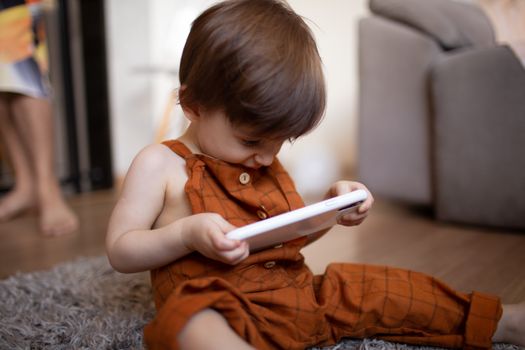 Photo: Helena Lopes / Pexels
Choosing Wisely: What to Look For in Toddler Learning Games
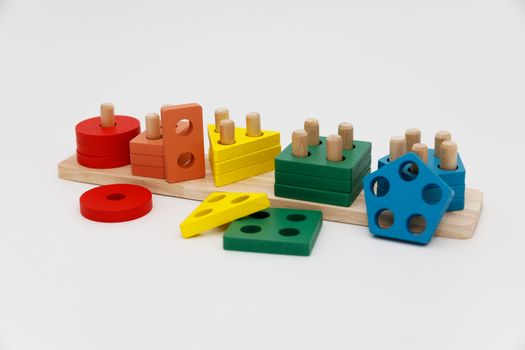 Photo: Angie Dutton / Pexels
Integrating Educational Games: Best Practices for Parents
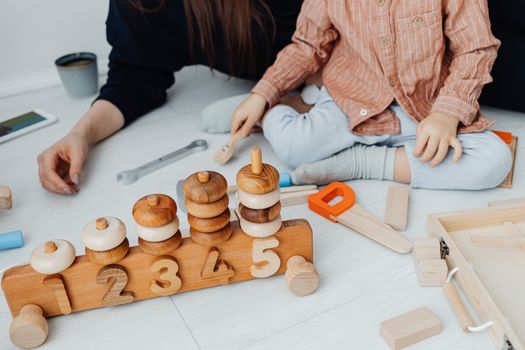 Photo: www.kaboompics.com / Pexels
Common Pitfalls and How to Avoid Them When Using Educational Games
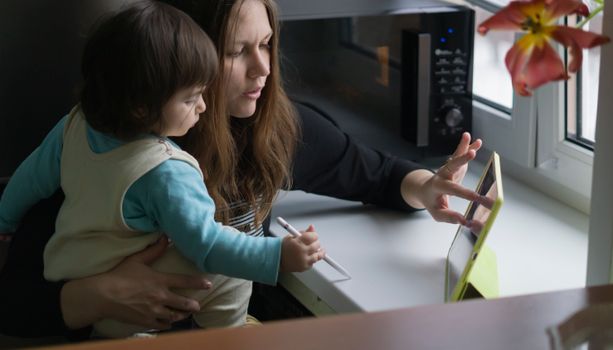 Photo: Marcial Comeron / Pexels
Comparison
| Feature | Interactive Learning Apps | Physical Educational Toys | DIY Learning Games |
|---|---|---|---|
| Engagement Level | High (visual/auditory) | High (tactile/kinesthetic) | Moderate to High (customizable) |
| Skill Development | Cognitive, Fine Motor, Language | Fine/Gross Motor, Spatial, Problem-solving | Creativity, Problem-solving, Adaptability |
| Parental Involvement | Recommended for best results | Often encourages joint play | Essential for creation & play |
| Screen Time Impact | Requires careful management | None | None |
| Cost | Free to Subscription (Varies) | Moderate to High (One-time) | Low (Household items) |
| Adaptability | ✓ (Updates, new levels) | ✗ (Static) | ✓ (Easily modified) |
What Readers Say
"The educational games we found have been a game-changer for my 2-year-old. She's learning her shapes and colors so much faster, and she genuinely enjoys the interactive lessons. It's amazing to see her little mind work!"
Sarah J. · Austin, TX"We were hesitant about screen time, but after carefully selecting some educational games for our toddler, we've seen great progress in his vocabulary. We always play together, which makes it a fun learning experience for both of us."
Mark D. · Seattle, WA"My son struggled with fine motor skills, but after a few weeks with a tracing game, his pencil grip has noticeably improved. These educational games for toddlers truly deliver concrete developmental results."
Jessica L. · Miami, FL"While I appreciate the learning aspect of these games, it's a constant battle to limit screen time. The quality is excellent, but parents really need to be vigilant about balancing digital play with other activities."
David R. · Denver, CO"As a preschool teacher, I often recommend specific educational games for toddlers to parents. The ones focused on early literacy and phonics are particularly effective and provide a fantastic supplement to classroom learning."
Emily S. · Chicago, ILFrequently Asked Questions
What are the best types of educational games for toddlers?
The best educational games for toddlers focus on foundational skills like shape and color recognition, letter and number introduction, basic puzzles, and vocabulary building. Look for interactive games that encourage tapping, dragging, and matching, featuring clear visuals and positive reinforcement. Games that allow for open-ended exploration are also highly beneficial.
Is screen time from educational games bad for toddlers?
Screen time from educational games can be beneficial when managed appropriately. The key is moderation and quality. Major pediatric organizations recommend limited screen time for toddlers (e.g., 1 hour per day for ages 2-5, and supervised co-viewing for 18-24 months). Ensure the content is truly educational, interactive, and viewed alongside a parent to maximize benefits and minimize potential negative impacts.
How can I make educational games more effective for my toddler?
To make educational games more effective, play alongside your toddler and engage with them. Ask questions, narrate what's happening, and connect the game content to real-world experiences. Limit sessions to short, focused periods, and always balance screen time with plenty of other activities like outdoor play, reading, and imaginative play.
Do I need to pay for good educational games for toddlers?
While many excellent educational games for toddlers are free, some of the highest-quality, ad-free, and most comprehensive options may require a one-time purchase or a subscription. Often, these paid versions offer deeper learning experiences without distractions. However, there are still plenty of fantastic free apps and physical toys that provide significant educational value without cost.
How do educational games compare to traditional toys for toddler development?
Educational games and traditional toys both offer unique and valuable benefits for toddler development. Games excel at interactive, immediate feedback and often integrate visual and auditory learning. Traditional toys, especially open-ended ones like blocks or dolls, are crucial for tactile exploration, gross motor skills, and imaginative play. The ideal approach is to integrate both for holistic development.
Which toddlers benefit most from educational games?
All toddlers can benefit from well-chosen and appropriately managed educational games. They are particularly helpful for fostering early cognitive skills, language development, and fine motor coordination. Toddlers who show an early interest in technology or visual learning may find them especially engaging, but they should always be part of a diverse learning environment.
What are the safety concerns with educational games for toddlers?
Safety concerns include excessive screen time leading to developmental issues, exposure to inappropriate content via ads or external links, and privacy risks from data collection. To mitigate these, choose ad-free games with robust parental controls, review privacy policies, and always supervise your toddler during screen time to ensure a safe and positive experience.
What is the future trend for educational games for toddlers?
The future of educational games for toddlers is likely to see greater integration of augmented reality (AR) for immersive learning, more personalized adaptive learning paths that adjust to a child's pace, and increased focus on social-emotional learning components. Expect more robust parental tools for managing content and screen time, alongside a continued emphasis on blending digital with physical play.
Unlock your toddler's full potential with the right educational games. By choosing wisely and engaging actively, you can foster a lifelong love for learning and build crucial developmental skills. Start exploring the world of beneficial educational games for toddlers today and embark on a fun, enriching journey together.