✓ Children in high-quality early childhood programs are more likely to graduate high school and attend college.
✓ Early education significantly boosts social-emotional skills, crucial for lifelong success.
✓ Every dollar invested in early childhood education can yield a return of $4 to $9 in societal benefits.
✓ Children who attend preschool exhibit stronger problem-solving abilities and critical thinking skills.
How It Works
1
Holistic Development Focus
Programs are designed to nurture cognitive, social, emotional, and physical growth simultaneously. This comprehensive approach ensures no aspect of development is overlooked.
2
Structured Learning Environment
Children learn through play and guided activities in a safe, stimulating setting. This structure introduces routines and expectations, preparing them for formal schooling.
3
Expert Educators
Teachers trained in early childhood development understand how young minds learn best. They facilitate discovery, encourage curiosity, and adapt to individual learning styles.
4
Peer Interaction & Socialization
Opportunities to interact with peers teach vital social skills like sharing, cooperation, and empathy. These interactions build a foundation for healthy relationships.
Cognitive Advantages: Building a Strong Academic Foundation
Photo: Polesie Toys / Pexels
The earliest years of a child's life are a period of incredible brain development, forming the neural pathways that will support all future learning. High-quality early childhood education capitalizes on this critical window, offering structured yet engaging environments that significantly boost cognitive abilities. Children exposed to such programs often enter kindergarten with a more robust vocabulary, stronger pre-reading skills, and a foundational understanding of numbers and basic mathematical concepts. This isn't about rote memorization; it's about fostering an innate curiosity and a love for learning that extends far beyond the classroom.
Research consistently demonstrates that children who participate in early childhood education programs show marked improvements in problem-solving skills. They are encouraged to ask questions, explore possibilities, and experiment with different solutions. This active engagement helps them develop critical thinking – the ability to analyze information objectively and make reasoned judgments. Instead of simply being told answers, they are guided to discover them, cultivating a sense of agency and intellectual independence. This process is vital for navigating an increasingly complex world where adaptability and innovative thinking are paramount.
Furthermore, early learning environments are rich in opportunities for language development. Through storytelling, songs, interactive games, and conversations with teachers and peers, children expand their vocabulary and improve their communication skills. They learn to express their thoughts and feelings effectively, which is not only crucial for academic success but also for building strong social relationships. Exposure to diverse linguistic patterns and narrative structures at a young age lays the groundwork for more advanced literacy skills later on. This early linguistic proficiency translates into better comprehension, stronger writing abilities, and an overall enhanced capacity for learning across all subjects. The foundational cognitive skills developed in these early years are not merely temporary advantages; they are long-term investments that pay dividends throughout a child's academic journey and professional life. They create a powerful springboard, ensuring children are not just ready for school, but ready to thrive in it. For more insights into fostering a love for learning, consider exploring resources on childhood learning strategies.
One significant aspect of cognitive development nurtured in early childhood education is executive function. These are the higher-level cognitive skills that enable us to plan, focus attention, remember instructions, and juggle multiple tasks successfully. Activities in preschool settings, such as following multi-step directions during a craft project, remembering the rules of a game, or organizing materials, are all subtly building these crucial executive function skills. Self-regulation, an integral part of executive function, allows children to control their impulses and manage their emotions, which is directly linked to academic achievement and positive social interactions. Without these foundational skills, children can struggle with classroom demands, even if they possess innate intelligence. Early education provides the structured practice necessary for these skills to mature, setting children up for success not just in elementary school, but throughout their entire educational career and beyond. It’s about teaching them *how* to learn, not just *what* to learn. This proactive approach to cognitive development is one of the most compelling arguments for investing in early childhood education.
Social and Emotional Growth: Nurturing Well-Rounded Individuals
Photo: Polesie Toys / Pexels
Beyond academics, one of the most profound benefits of early childhood education lies in its ability to cultivate essential social and emotional skills. These aren't just 'soft skills'; they are the bedrock of successful relationships, personal well-being, and effective participation in society. In a classroom setting, children learn to interact with a diverse group of peers and adults, navigating social dynamics that are often more complex than those found at home. They learn the art of sharing toys, taking turns, and collaborating on projects, all of which are fundamental lessons in cooperation and compromise. These daily interactions provide invaluable practice in understanding different perspectives and finding common ground.
Empathy, the ability to understand and share the feelings of another, is a cornerstone of emotional intelligence. Early childhood educators are adept at creating opportunities for children to develop this crucial skill. Through guided discussions, role-playing, and observing their peers, children learn to recognize emotions in themselves and others. They are taught to comfort a sad friend, celebrate a peer's success, and apologize when they've made a mistake. This early exposure to emotional literacy helps children build a strong foundation for compassionate and considerate behavior, which is vital for forming healthy friendships and relationships throughout their lives.
Furthermore, early childhood education helps children develop self-regulation and impulse control. In a structured classroom environment, children learn to follow rules, wait patiently, and manage their frustrations. These are skills that don't come naturally to many young children and require consistent practice and gentle guidance. Teachers use various strategies, such as positive reinforcement, clear expectations, and structured routines, to help children develop these self-management abilities. A child who can regulate their emotions and control their impulses is better equipped to handle challenges, adapt to new situations, and persist through difficulties, all of which contribute to greater resilience and overall well-being.
The development of a positive self-concept is another significant outcome. In an environment where children are encouraged to explore, experiment, and express themselves, they build confidence in their own abilities. Teachers provide constructive feedback, celebrate effort, and create a safe space for children to take risks without fear of failure. This nurturing atmosphere fosters a sense of competence and self-worth, which is crucial for a child's mental health and future success. Children who feel good about themselves are more likely to engage in learning, take on new challenges, and develop a growth mindset. These social and emotional competencies are not merely beneficial for school; they are life skills that equip children to become well-adjusted, empathetic, and responsible members of their communities.
Long-Term Impact: Societal and Economic Returns
Photo: RDNE Stock project / Pexels
The benefits of early childhood education extend far beyond the individual child and their immediate family, creating a ripple effect that positively impacts society as a whole. Investing in high-quality early learning programs is not just a social expenditure; it's a strategic economic investment. Numerous studies have shown significant returns on investment, with some estimates suggesting that every dollar spent on early childhood education can yield between $4 and $9 in societal benefits. These returns manifest in various ways, including reduced crime rates, decreased reliance on welfare programs, and increased tax revenues from a more educated and productive workforce.
Children who attend quality early education programs are more likely to succeed academically throughout their schooling. They are less likely to be held back a grade, less likely to require special education services, and more likely to graduate from high school. This academic trajectory often leads to higher rates of college enrollment and completion, opening doors to better career opportunities and higher lifetime earnings. A more educated workforce contributes to economic growth, innovation, and global competitiveness, benefiting the entire nation. The foundational skills in literacy, numeracy, and critical thinking instilled early on are essential for navigating the demands of a modern economy.
Furthermore, early childhood education plays a crucial role in breaking cycles of poverty and reducing educational disparities. Children from disadvantaged backgrounds often enter school with significant gaps in their knowledge and skills compared to their more affluent peers. High-quality early learning programs can help close these achievement gaps before they become entrenched, providing these children with an equitable start. By offering a stimulating and supportive learning environment, these programs equip vulnerable children with the tools they need to succeed, giving them a chance to overcome socioeconomic barriers and reach their full potential. This not only improves individual lives but also fosters greater social mobility and reduces societal inequalities.
Beyond economic and academic gains, there are significant public health benefits. Studies indicate that individuals who participated in early childhood education programs are more likely to adopt healthier lifestyles, make better health choices, and have lower rates of chronic diseases later in life. This translates to reduced healthcare costs for individuals and the healthcare system overall. The social-emotional skills developed, such as self-regulation and problem-solving, also contribute to better mental health outcomes, reducing the likelihood of engaging in risky behaviors or requiring extensive mental health interventions. In essence, early childhood education is a powerful tool for fostering a healthier, more educated, and more prosperous society for future generations. To understand more about the broader impact of education, consider resources on educational policy and development.
Choosing the Right Program: Tips for Parents
Selecting the right early childhood education program for your child is a significant decision that can feel overwhelming. With various options available, from traditional preschools to Montessori, Reggio Emilia, and play-based programs, understanding what to look for can make the process much smoother. The first step is to consider your child's unique personality and learning style. Is your child highly independent or do they thrive with more structure? Are they naturally curious and hands-on, or do they prefer quieter, focused activities? Matching the program's philosophy to your child's disposition is key to ensuring a positive and enriching experience.
When evaluating programs, pay close attention to the qualifications and demeanor of the staff. Highly trained and experienced early childhood educators are crucial. Look for teachers who are warm, nurturing, enthusiastic, and clearly passionate about working with young children. Observe how they interact with the children: do they engage actively, listen attentively, and respond with patience and understanding? A low teacher-to-child ratio is also important, as it allows for more individualized attention and support, catering to each child's specific needs and developmental pace. Don't hesitate to ask about staff turnover, as consistency in caregivers is beneficial for young children.
Another critical factor is the learning environment itself. A high-quality program should offer a safe, clean, and stimulating space with a rich variety of age-appropriate materials and activities. Look for opportunities for both indoor and outdoor play, creative expression through art and music, and hands-on exploration. The environment should be organized yet flexible, allowing children to choose activities while also providing structured learning experiences. Consider the program's approach to discipline – is it positive and developmentally appropriate, focusing on guiding behavior rather than punishment? Transparency and open communication between the program and parents are also vital. Regular updates, parent-teacher conferences, and opportunities for parental involvement foster a strong partnership, ensuring your child's needs are met comprehensively.
Finally, consider the program's accreditation and licensing. Ensure that any program you consider is licensed by your state and ideally, accredited by recognized national organizations. These credentials indicate that the program meets certain standards for health, safety, and educational quality. Don't be afraid to ask for references from other parents or to visit the facility multiple times before making a decision. Trust your instincts; ultimately, the best program is one where your child feels safe, happy, and inspired to learn and grow. This careful selection process ensures that your investment in early childhood education yields the greatest possible benefits for your child's future.
* **Check for Licensing & Accreditation:** Verify state licensing and seek out programs with national accreditation for quality assurance.
* **Observe Teacher-Child Interactions:** Look for nurturing, engaged, and patient educators who actively listen and respond to children.
* **Assess the Learning Environment:** Ensure a safe, clean, and stimulating space with diverse, age-appropriate materials and opportunities for both structured and free play.
* **Inquire About Curriculum & Philosophy:** Understand if the program's approach (e.g., play-based, Montessori) aligns with your child's needs.
* **Evaluate Communication & Parent Involvement:** Look for programs that prioritize open communication and welcome parental participation.
* **Consider Ratios & Group Sizes:** Lower teacher-to-child ratios often mean more individualized attention.
Comparison
Feature
High-Quality Early Ed
Basic Daycare
Home-Based Care
Curriculum Focus
Structured, developmentally appropriate learning
Custodial care, minimal structured learning
Variable, parent-dependent
Teacher Qualifications
Degree/certification in ECE
Minimal training required
No formal requirement
Social Interaction
Diverse peer group, guided social learning
Peer interaction, less guided
Limited peer interaction
Cognitive Development
✓
✗
✓ (if parent actively teaches)
Emotional Support
✓
✓
✓
Kindergarten Readiness
Excellent
Fair
Variable
What Readers Say
★★★★★
"Sending my daughter to preschool was the best decision. She's not only reading at an advanced level but has also learned incredible empathy and problem-solving skills with her friends. It's truly amazing to see the benefits of early childhood education unfold."
Sarah J. · Austin, TX
★★★★★
"Our son struggled with shyness, but his early childhood education program completely transformed him. He's now confident, articulate, and loves school. The teachers created such a supportive environment that fostered his social-emotional growth beautifully."
Mark D. · Seattle, WA
★★★★★
"Thanks to early childhood education, my twins entered kindergarten with a solid grasp of numbers and letters, and most importantly, they knew how to learn. They adapted so quickly and have excelled academically, proving the long-term impact."
Jessica L. · Miami, FL
★★★★★
"While the initial cost was a concern, the benefits of early childhood education have been undeniable. My child's curiosity has blossomed, and he's developed strong friendships. I wish there were more affordable options, but the value is certainly there."
David R. · Denver, CO
★★★★★
"As a working parent, knowing my child is in a stimulating and nurturing environment makes all the difference. The structured play and learning activities ensure she's not just supervised, but truly growing, which is a huge peace of mind for our family."
Emily S. · Boston, MA
Frequently Asked Questions
What age is considered 'early childhood' for education benefits?
Early childhood generally refers to the period from birth through age eight. However, for the purposes of structured early childhood education programs like preschool, it typically encompasses ages three to five, prior to formal kindergarten entry. The benefits are most profound when intervention begins early, ideally around age three or four.
Is early childhood education truly necessary, or can children learn enough at home?
While a nurturing home environment is crucial, high-quality early childhood education offers unique benefits that are difficult to replicate at home, such as structured peer interaction, exposure to diverse learning materials, and guidance from trained educators. It provides a formal bridge to elementary school, enhancing cognitive and social-emotional development in ways that complement home learning.
How do I choose the best early childhood education program for my child?
To choose the best program, consider your child's personality and learning style, research program philosophies (e.g., Montessori, play-based), check teacher qualifications and ratios, observe the learning environment, and ensure the program is licensed and accredited. Visiting multiple centers and asking questions is highly recommended.
What is the cost of early childhood education, and is it worth the investment?
The cost of early childhood education varies significantly based on location, program type, and duration, ranging from a few hundred to over a thousand dollars per month. However, numerous studies demonstrate a high return on investment (ROI) in terms of academic success, reduced social costs, and increased lifetime earnings, making it a valuable long-term investment in your child's future and societal well-being.
How does early childhood education compare to simply having a babysitter or nanny?
Early childhood education differs fundamentally from babysitting or nanny care in its explicit focus on structured learning and developmental outcomes. While nannies provide individualized care, early education programs offer a planned curriculum, peer group dynamics, and professionally trained educators specifically aimed at fostering cognitive, social, and emotional growth in preparation for school.
Who benefits most from early childhood education?
All children benefit from high-quality early childhood education, but children from low-income backgrounds or those with developmental delays often show the most significant gains. It helps close achievement gaps and provides a crucial foundation for future success, offering an equitable start for all participants.
Are there any potential downsides or risks to early childhood education?
Potential downsides are primarily associated with low-quality programs, which might lack trained staff, have high child-to-teacher ratios, or fail to provide a stimulating environment. It's crucial to select a reputable, accredited program to avoid negative impacts on a child's development or well-being.
What are the future trends in early childhood education?
Future trends in early childhood education include increased integration of technology for personalized learning, a greater emphasis on social-emotional learning (SEL), expanded access and affordability through public funding, and a continued focus on play-based learning and outdoor education to foster holistic development.
Embrace the transformative power of early childhood education for your child's lifelong success. Explore quality programs today and invest in a brighter future, knowing the profound benefits extend far beyond the classroom into every aspect of their development.

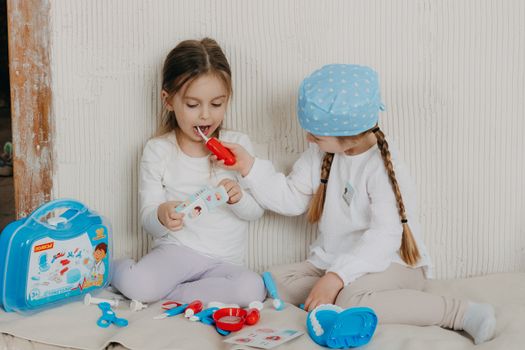 Photo: Polesie Toys / Pexels
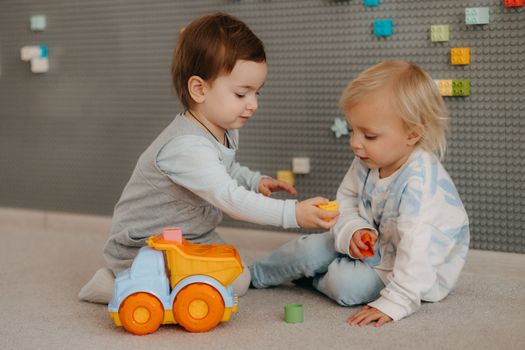 Photo: Polesie Toys / Pexels
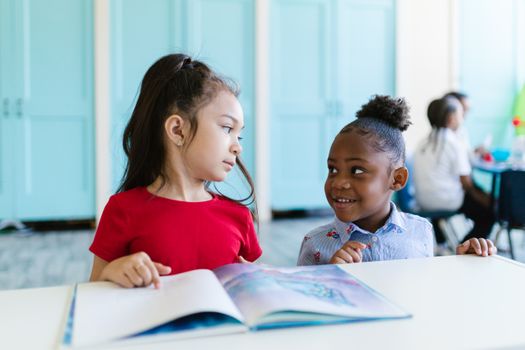 Photo: RDNE Stock project / Pexels